Eye problems in dogs If your dog is showing any signs of eye discomfort, it may be caused by one of these conditions and will need veterinary treatment.My dog is squinting, blinking a lot and rubbing his eye – I think he may have eye pain.
|
Osteoarthritis in cats and dogs You notice your senior pet is slowing down. Here's how to tell if they may have osteoarthritis, and what you can do to manage your pet's condition.I’ve noticed my senior pet has slowed down considerably. Is he sick? As humans age, we can feel (and hear!) the telltale signs of ageing joints by their creaks and cracks; aches and pains. In pets, however, it can be much more difficult to identify joint issues. Though many pets do not show obvious signs of arthritis pain, studies have shown that 80% of dogs over the age of eight years old and 90% of cats over the age of 12 are affected by arthritis. Your pet cannot tell you when their joints are hurting but they will show signs of arthritis pain, which you’ll be able to identify at home. In this article, we share the signs of osteoarthritis to look out for in pets, and the tests and treatments involved in the management of joint pain in pets. |
Distemper in dogs In light of the recent canine distemper outbreaks in Gauteng and the Overstrand Municipality (September - October 2025), please read our article on the seriousness of canine distemper and how you can protect your dogs from becoming infected."My dog has a runny nose and really bad diarrhoea. They seem feverish, won’t eat and are coughing and wheezing." When a dog shows signs of eye and nasal discharge, lack of appetite, weight loss, fever, diarrhoea, cough or wheezing/trouble breathing, and neurological problems like muscle twitches and a lack of coordination, the prognosis is usually poor. This is the reality of distemper – a highly contagious viral disease that affects mostly unvaccinated dogs and puppies that are not yet fully vaccinated. The recent distemper outbreaks in Gauteng and the Overstrand area (Hermanus and surrounds) have put the spotlight back on this terrible canine disease. |
My dog is shaking her head and pawing at her ears. She flinches when I touch her head. Ear infections in dogs and cats are one of the most prevalent complaints veterinarians see in their patients, and they are often recurring. Read more about the primary and secondary causes of ear infections, the symptoms, how they are diagnosed and how thEar infections in dogs and catsYou may notice a foul odour emanating from your dog or cat’s ears, or maybe the pinnae (ear flaps) are red and warm, or you can see a dark discharge (or pus) or inflamed ear canal. However, it would be your pet’s behaviour that alerted you to the potential problem to begin with: persistent scratching, head-shaking, pawing at their ears and/or vocalising while rubbing their ears. They may flinch when being touched on the head or even avoid your touch altogether. |
My dog's skin is inflamed and itchy, and he won't stop scratching himself Up to 15% of dogs are affected by atopic dermatitis, in which an environmental allergen/s triggers a persistent itch. Self-mutilation and secondary infection are usually what send pet owners to the vet looking for answers.Most dogs will sit on their rump and have a scratch behind their ears or relieve an itch on the trunk of their body. They will then stand up, shake off, and continue on with their day. A dog with atopic dermatitis will spend the majority of their waking hours scratching themselves, nibbling on their paws, licking their skin, and/or rubbing their face. |
How dogs and cats keep warm in winter and cool in summer We answer your questions about dogs' and cats' ability to thermoregulate - or control their body temperature. This is important information for keeping your pets cool in summer and warm in winter.South Africa has the perfect temperate climate to keep dogs and cats safely comfortable during all seasons. However, in some parts of the country, it can get very cold in winter and very hot in summer. During weather extremes, we need to be aware of pets’ wellbeing: are they warm enough or cool enough? How do they keep themselves warm or cool themselves down, and what can we do to ensure they are not freezing or overheating? |
A guide to diabetes mellitus in dogs and cats We answer your questions about the symptoms, diagnosis, treatment and management of diabetes in dogs and cats.Dogs’ and cats’ endocrine systems work very similarly to humans’, and they experience similar disorders of the endocrine organs as humans do. This includes diabetes mellitus. Diabetes originates and presents in different ways between dogs and cats, but the mechanism is the same: the body is unable to use the glucose in the bloodstream. This occurs because either the pancreas does not produce enough insulin or the body is resistant to insulin secretion. |
Allergies to cats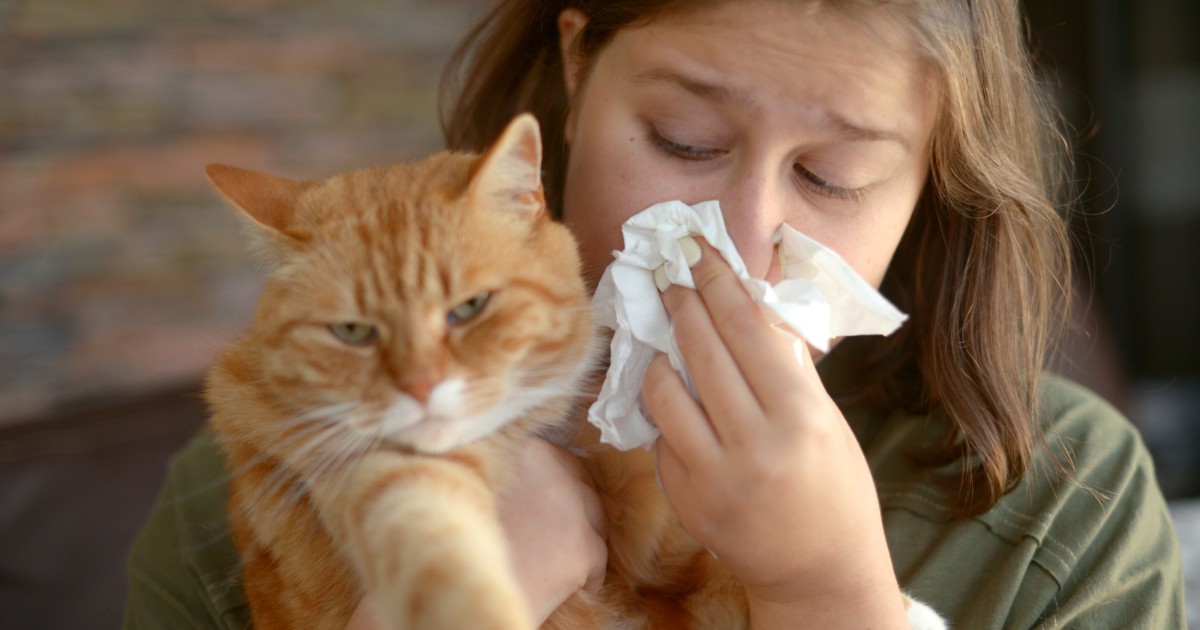 How can I decrease my allergy symptoms with a cat in my household?What are allergies?Allergies are your body’s immune system over-reacting to a substance or material that is innocuous and shouldn’t cause a reaction (referred to as an allergen). When the body then encounters this allergen it launches an excessive immune response resulting in symptoms such as sneezing, coughing, wheezing, itchy or swollen eyes, and rashes or hives. |
How to manage a pet that is having seizures My pet is staring blankly and twitching, and is drooling excessively. What must I do?It’s a frightening experience to witness your dog or cat having a seizure. In everyday life, pets are conscious and aware of their owners, responding to your words and actions, but during a seizure, a dog or cat may be standing up or lying on their side, staring blankly, twitching, convulsing and drooling, or making some seemingly terrifying sounds. You may feel scared and helpless, not knowing what’s happening to your pet or what you can do to ease their seeming discomfort. |
Feline Asthma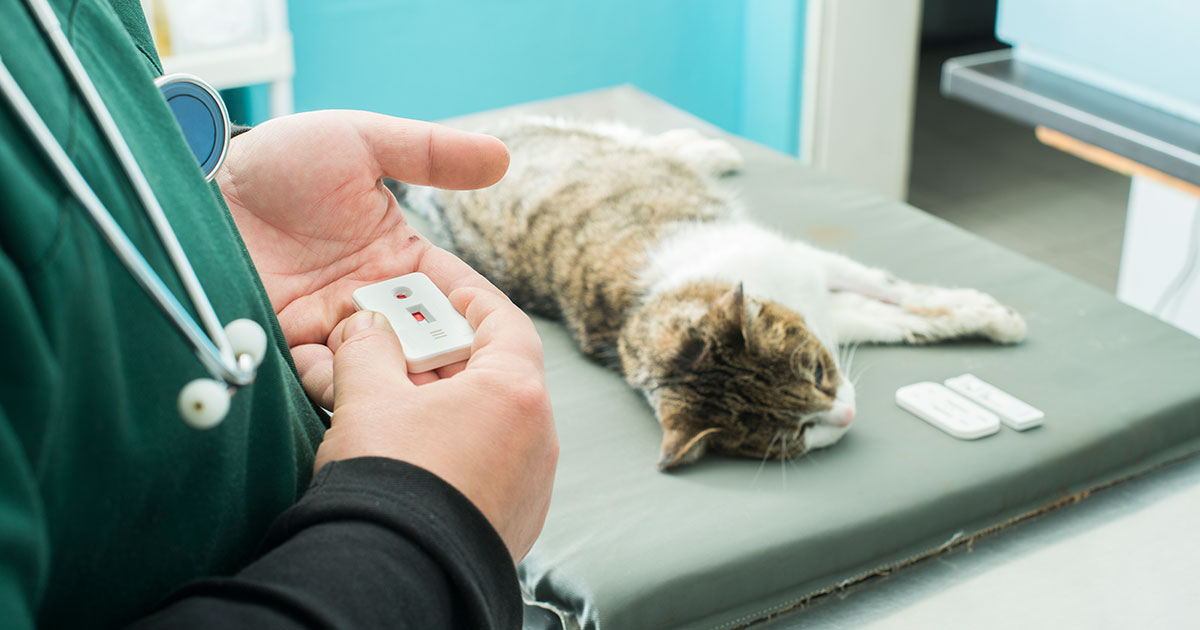 My cat sounds like she has difficulty breathing and has regular coughing episodes. What's wrong with her?Feline asthma is a respiratory condition characterised by a cat having difficulty breathing, frequent episodes of coughing, retching and or attempted (unsuccessful) vomiting. The symptoms are triggered by environmental allergens like dust, pollen and other inhaled particles that activate the immune system. These symptoms are a result of the narrowing of airways due to inflammatory changes, as well as the thickening (hypertrophy) of muscles lining the airways and/or their constriction. Cat asthma can be acute (sudden onset) or chronic (progressive and long-term). |