Poisoning by rat bait We explore the types of rat poisons, how they affect pets, what the symptoms are and what kind of treatment pets will receive.My pet ate rat bait! What do I do now?! Pet-proofing your home means keeping all dangerous items (including poisonous products) out of your pet’s reach. Unfortunately, accidents do happen, so it’s important for you to be prepared in the unlikely – but possible – event of your dog or cat ingesting rat poison. No matter how it came about that your pet got hold of the rat poison, it’s critical to seek veterinary intervention as soon as possible, to ensure they receive the proper care and can recover from poisoning. |
My dog hates vet visits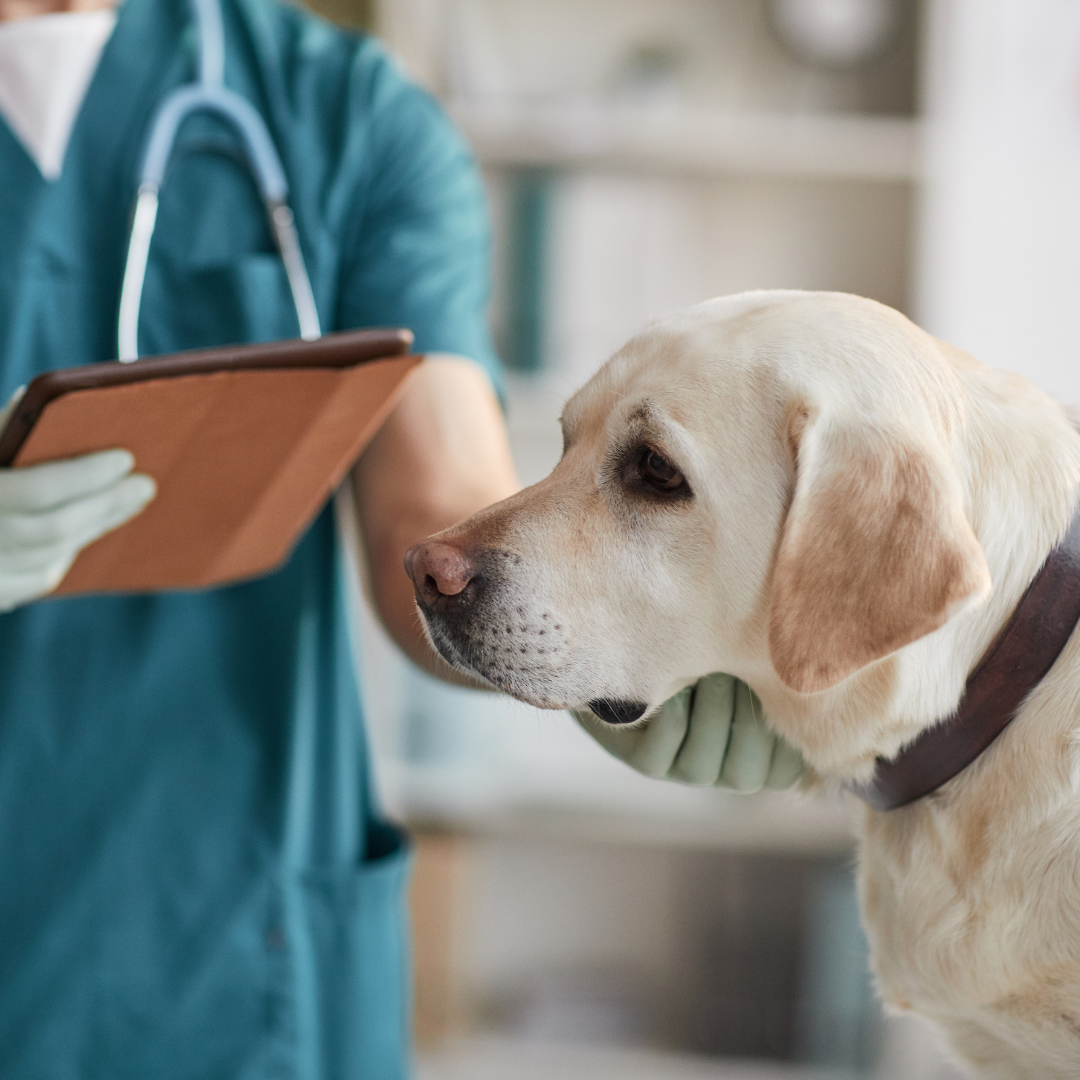 No matter how wonderful the vet is, your dog refuses to cooperate when it’s time to go to the veterinary clinic. Here's how to manage a pet who hates the vet.My dog will do anything to avoid going to the vet – including trying to bite the staff! How can I change his experience and get him to relax at the vet?
|
Eye problems in dogs If your dog is showing any signs of eye discomfort, it may be caused by one of these conditions and will need veterinary treatment.My dog is squinting, blinking a lot and rubbing his eye – I think he may have eye pain.
|
Osteoarthritis in cats and dogs You notice your senior pet is slowing down. Here's how to tell if they may have osteoarthritis, and what you can do to manage your pet's condition.I’ve noticed my senior pet has slowed down considerably. Is he sick? As humans age, we can feel (and hear!) the telltale signs of ageing joints by their creaks and cracks; aches and pains. In pets, however, it can be much more difficult to identify joint issues. Though many pets do not show obvious signs of arthritis pain, studies have shown that 80% of dogs over the age of eight years old and 90% of cats over the age of 12 are affected by arthritis. Your pet cannot tell you when their joints are hurting but they will show signs of arthritis pain, which you’ll be able to identify at home. In this article, we share the signs of osteoarthritis to look out for in pets, and the tests and treatments involved in the management of joint pain in pets. |
I brush my dog's teeth, but can't get them clean: Why pets need an anaesthetised dental scale and polish Do you want to get rid of that gunk on your pet's teeth? Read our article for the ins and outs on pet dental health and how to make the most of at-home teeth cleaning.It can be frustrating when you brush your pet’s teeth, but they still have bad breath and poor dental health. Is brushing really effective and worth it? Yes! At-home dental care for your pets is just as important as it is for humans. Just like toothbrushing for humans, brushing your pets’ teeth is meant to prevent dental problems, not to cure them. For toothbrushing to be effective, however, you need to start with a clean base – trying to brush away tartar build-up or gum disease is not going to work. |
My male cat keeps jumping in and out of the litter box and seems to be in pain - is it an emergency? You notice that your male cat has been acting strangely around the litter box. He may seem restless, repeatedly visiting his litter box and straining unproductively, only to leave the litter box without actually having done anything in it. Is he constipatYou notice that your male cat has been acting strangely around the litter box. He may seem restless, repeatedly visiting his litter box and straining unproductively, only to leave the litter box without actually having done anything in it. Is he constipated? Is he struggling to urinate? Is this an emergency? These are all important questions often asked by many cat owners. This quick guide will help explain urethral obstructions in male cats, and why you should be keeping an eye out for this feline emergency. |
My pet has diarrhoea. What's the quickest way to help his tummy return to normal? Diarrhoea in dogs and cats is a nightmare for every pet owner who experiences it - you wake up one morning to find stinky effluent dribbled and splattered across the floor. And often, just as it is being cleaned up, your pet has a repeat episode!Diarrhoea in dogs and cats is a nightmare for every pet owner who experiences it – you wake up one morning to find stinky effluent dribbled and splattered across the floor. And often, just as it is being cleaned up, your pet has a repeat episode! A pet having diarrhoea is an unpleasant experience for pet and owner alike. It can cause severe illness in dogs and cats of all ages, but does more severely affect very young puppies and kittens, and older animals. Very young as well as senior pets with diarrhoea are at risk of dehydration because they have fewer fluid reserves and slower fluid intake. Their immature or weakened immunity, respectively, also offers less resistance to the bacteria and viruses causing the diarrhoea. However, in pets of any age, it’s important to address the problem promptly to help mitigate the consequences of this silent and smelly killer. |
What to do when your pet goes missing When you realise your pet is missing, it can send you into a panic. Carefully read through this step-by-step information, which will help you to prepare for what to do if your pet goes missing.I’ve just realised my pet is not in my house or yard. I think they are missing – what should I do?!
|
My pet has just had an operation. What is the best way to help them recover? Your pet has just had surgery. Read these tips to learn how to provide the best post-op care to ensure they recover faster and in a comfortable, healthy way.Whether your pet has had emergency surgery (after a medical emergency, or injury in a fight or accident) or an elective procedure (like a spay or neuter), they will need time to return to relative normal after being under anaesthesia and for their wounds to heal. It’s imperative to support their healing process in an optimal way. The vet will monitor your pet for a short time after the operation, but the post-operative care at home is your responsibility – to manage your pet’s recovery and healing to ensure they are healthy and thriving once again. |
Preventive pet care for the next three years The best way to ensure your pets' health is through prevention: preventing disease, preventing unwanted behaviour, preventing parasite infestation, and preventing poor health in general. Use this proactive preventive pet care approach and - with the vet'sI wish I could prevent my pets from getting sick – both for their health and for my budget. Is there a way to prevent pet illnesses? Many pet owners will only contact the vet when their dog or cat has a health emergency; when their pets get sick enough to warrant treatment from a veterinary professional. Whether these vet visits are for injuries or emergency treatment for an illness, veterinary care is often seen as the very last resort. These emergency visits may also come with a hefty bill because the pet owners are inclined to wait to see if their pet will get better on their own. Unfortunately, the pet’s health deteriorates and the more advanced the illness gets, the more intensive (and expensive) the treatment becomes to cure them. |