Do dogs bite for no reason? Aggression in dogsAggression is one of the most common behavioural problems in dogs. Aggression is often easy to diagnose but difficult to manage, because it is often multifactorial. There are several different categories of aggression. Let's look at the different types of aggression in dogs. Aggression in dogsAggression can be classified into several different categories. Fighting amongst dogs in the same household is probably the most common aggression problem, followed by aggression to unfamiliar people. It is not always possible to prevent aggression but it can usually be controlled with effective management. In some cases, re-homing an aggressive animal may be a suitable solution and in a few cases, euthanasia may be the only option. |
A new puppy - happiest days or worst nightmare? New puppyHaving a new puppy join your family can be one of the most exhilarating experiences for a family but if not done the right way it can have disastrous consequences. People often let emotions get the better of them and don’t make informed decisions. A new puppy will become part of the family for the rest of its life and you will be responsible for its wellbeing. Before getting a new puppy, there are a number of things one has to consider. |
When is it more than just a tummy ache? PancreatitisThe pancreas is a small gland that is situated next to the stomach and first part of the small intestine in the front of the abdomen. As in humans, it performs two main functions in dogs and cats.
Sometimes the digestive enzymes are released within the pancreas, instead of within the small intestine. When this happens, it causes severe inflammation and death of some of the pancreatic cells. This can affect surrounding abdominal organs, such as the liver. When inflammation occurs it is usually very painful and is described as pancreatitis. Pancreatitis can be acute, where the inflammation is not associated with permanent damage or it can be chronic. A chronic pancreatitis results in the pancreas becoming smaller and harder than normal and this affects the function of this important organ. Pancreatitis can become very severe very quickly and cause your pet to suffer with intense pain so it is important for your pet to receive veterinary attention as soon as you suspect there may be something wrong. |
Tis The Season To Be Jolly Guidelines for Keeping Your Pet Safe This ChristmasAs the end of the year draws to a close, most businesses start to slow down in anticipation of a well-needed rest. The veterinary world however, braces itself for its busiest time. The holiday season comes with a multitude of risks for animals. This occurs for many reasons, some of them are out of our control, including climatic changes and prevalence of certain parasites, but many of them can be guarded against if the pet owner is aware and vigilant. |
Socialisation - The Critical Period Socialisation of petsVets recognise the importance of looking at animals not only from a health point of view, but from a holistic point of view where the animal’s health is but one part of the overall wellbeing of the animal. Aspects like nutrition, shelter, behaviour and training form as an important part of an animal’s overall wellbeing as the physical and medical condition of the animal. Our domestic pets are kept as companions and the success of a pet in a household is not only measured by its longevity and health, but also how it fits into the home and interacts with the rest of the members of the household. More importantly, most pets do not stay confined to their home all the time, but often go out with the owner and interact with other animals and human beings. Just as there are rules for humans for good and acceptable public behaviour, so there are rules for good animal behaviour. |
Hand Rearing Young Animals - A Basic Guideline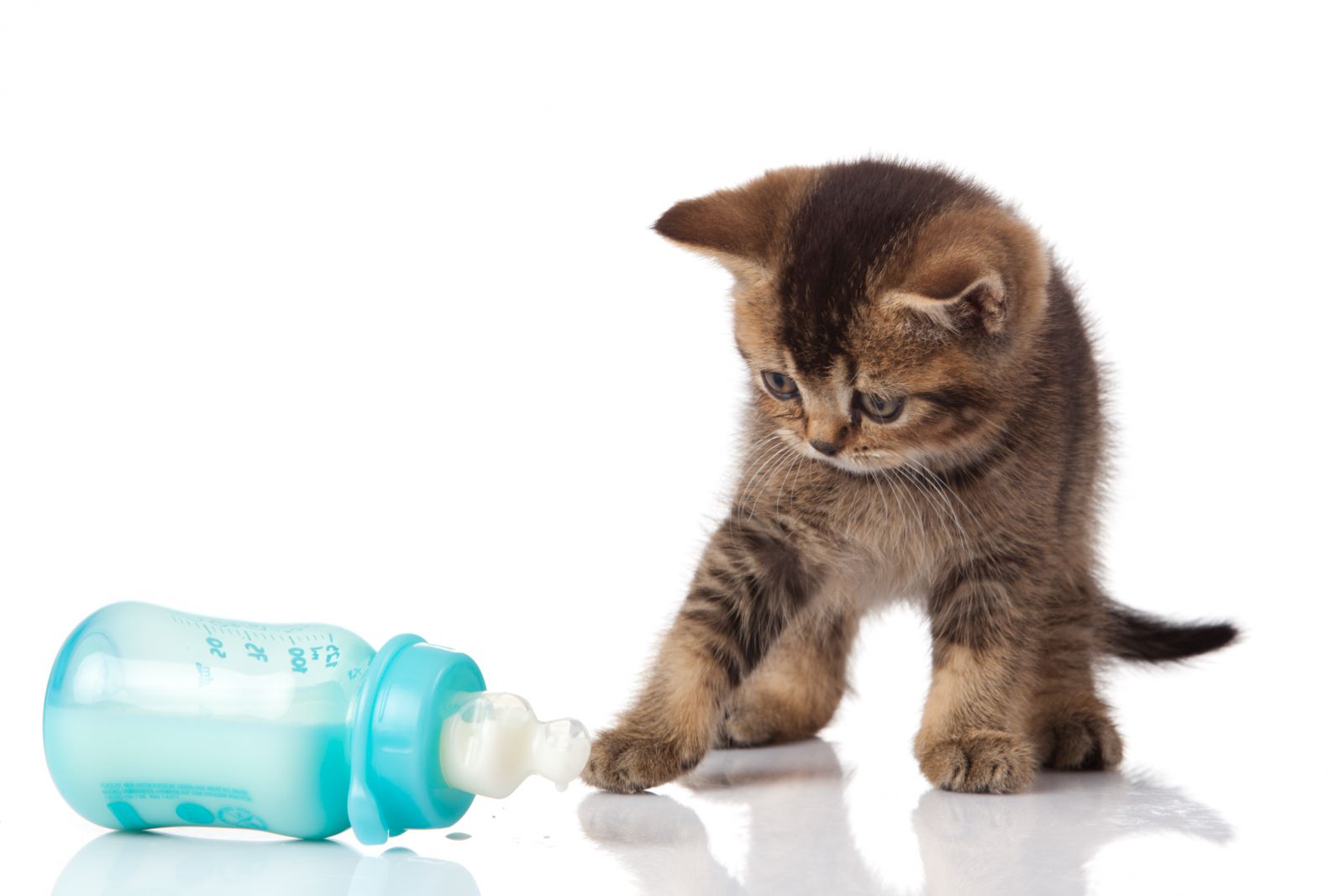 Hand Rearing AnimalsThe birth of a litter is a very exciting event, but it is also a huge responsibility for the owner, as many things can go wrong. Besides the birth process itself, problems can occur with the young animals due to birth defects, infections, or insufficient mothering care. In these cases hand rearing may be necessary. There is a huge amount of commitment required for hand rearing. The main principles of concern are providing correct nutrition; temperature control; good hygiene; and monitoring urination and defecation. |
Ear Infections in Your Pet Ear infectionEar infections are common in dogs, and to a lesser degree in cats. The anatomy of the animal predisposes them to this condition. The ear canal of the dog and cat follows the shape of an “L”, going first downwards and then horisontally. This shape makes it difficult for debris and water that go into the ear to come out, against the force of gravity. |
Children and pets ChildrenChildren and pets are synonymous. Most families at some point in time acquire a pet for their children. Be it goldfish, pocket pets like hamsters, mice, gerbils or guinea pigs, birds, dogs, cats, rabbits or even something exotic like a snake, a tortoise, bearded dragon or iguana. Pets come in all shapes and sizes and often times they are given to a child as a gift. Sometimes the child has not asked for a pet and receives one without receiving proper instructions on how to care for it. Many times children will beg and nag their parents for a certain type of pet, and eventually wear the parents down with their continuous nagging to the point where the parents cave in to the demands of the child to preserve the peace. This peace only lasts for a very brief moment before the parents realise that they made a big mistake. |
Smelling as fresh as a spring breeze How to bath your pet
Cats spend their days and nights grooming themselves. However many cats love taking a dust bath and will revel in the opportunity to curl and then wriggle on their back from side to side on a nice patch of bare soil. |
Fireworks and Thunderstorms and your pet Anxiety Attacks in petsAnxiety and angst is as much part of the animal world as it is of the human world. As humans, the way in which we manage stress and anxiety is largely related to our understanding of our environment and an interpretation of cause and effect. Unfortunately this is not the same for animals. A human who is about to set off a large fire cracker can warn all those around them of the impending bang, and prepare everyone for the impact. However explaining to a dog or cat that the glitter of a burning fuse will lead to a thunderous crack to which they should not respond, is impossible. Add to that the anatomy of animals’ ears which have been specifically designed to amplify sounds by turning the ears towards sounds, and you have a recipe for disaster when it comes to shooting off fireworks in the vicinity of animals. |